The Taste Machine
The Taste Machine is an API service that generates images through a trained aesthetic intelligence system.
Try it below
Drop images here
The Idea
Smarter models lift the bar — sharper reasoning, better alignment, and as a result, better aesthetics. But the taste we actually want isn't an average — it comes from unique personal experiences, judgement, and subtraction. The Taste Machine is a learning layer between your brief and whatever the frontier model is, adding the personal angle and the extra few inches that scale alone won't give you. A different take on the probability-maxing game.
 @chendabo
How it works
The Taste Machine starts from a set of reference images. A taste training engine distils the high-level aesthetic into a compact taste profile — a small model that captures that specific taste. When you send in a brief, a taste decoder turns that profile into a detailed, taste-informed instruction, which the underlying image-generation model then follows to produce the final design.
How it compares
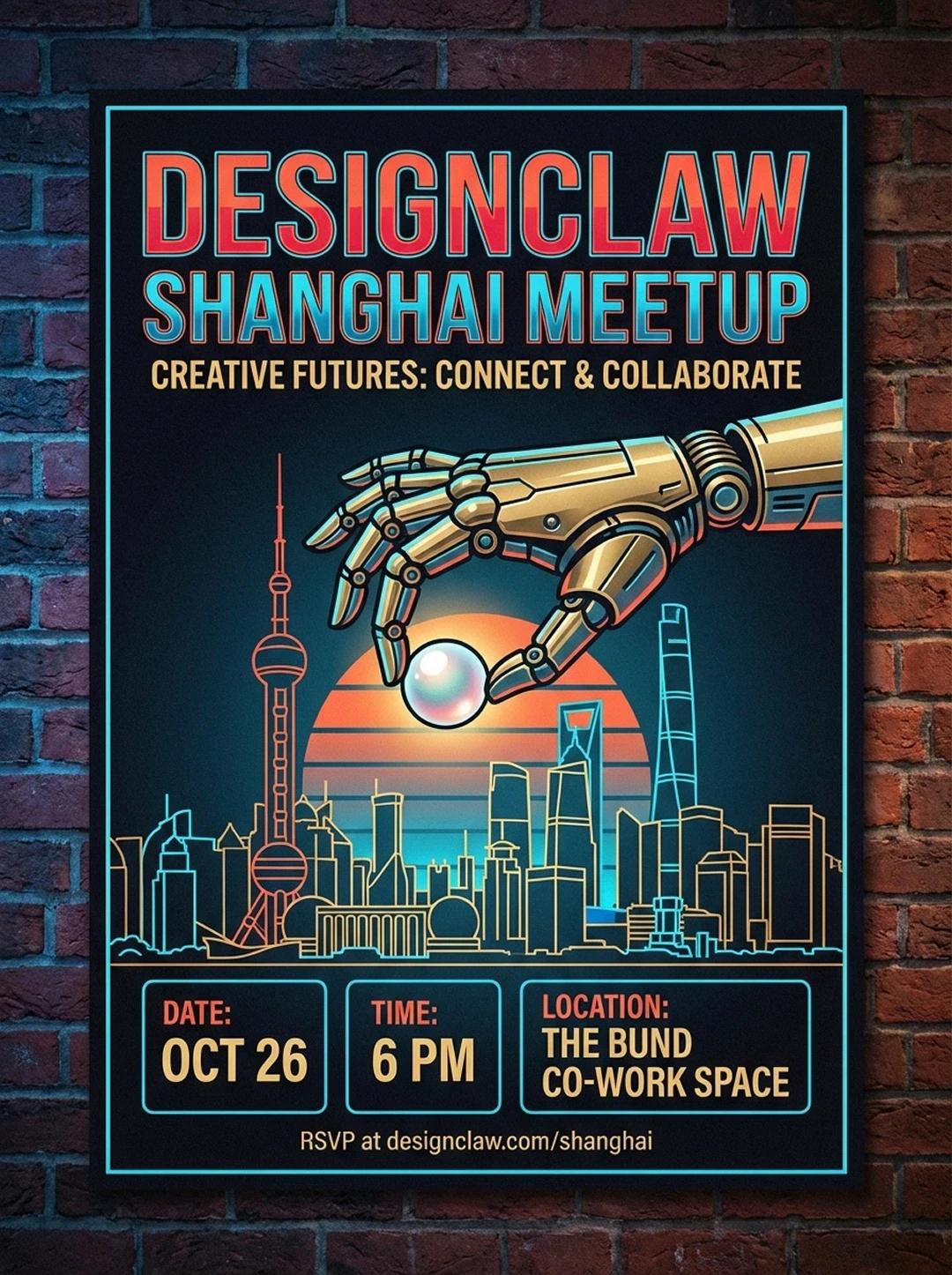
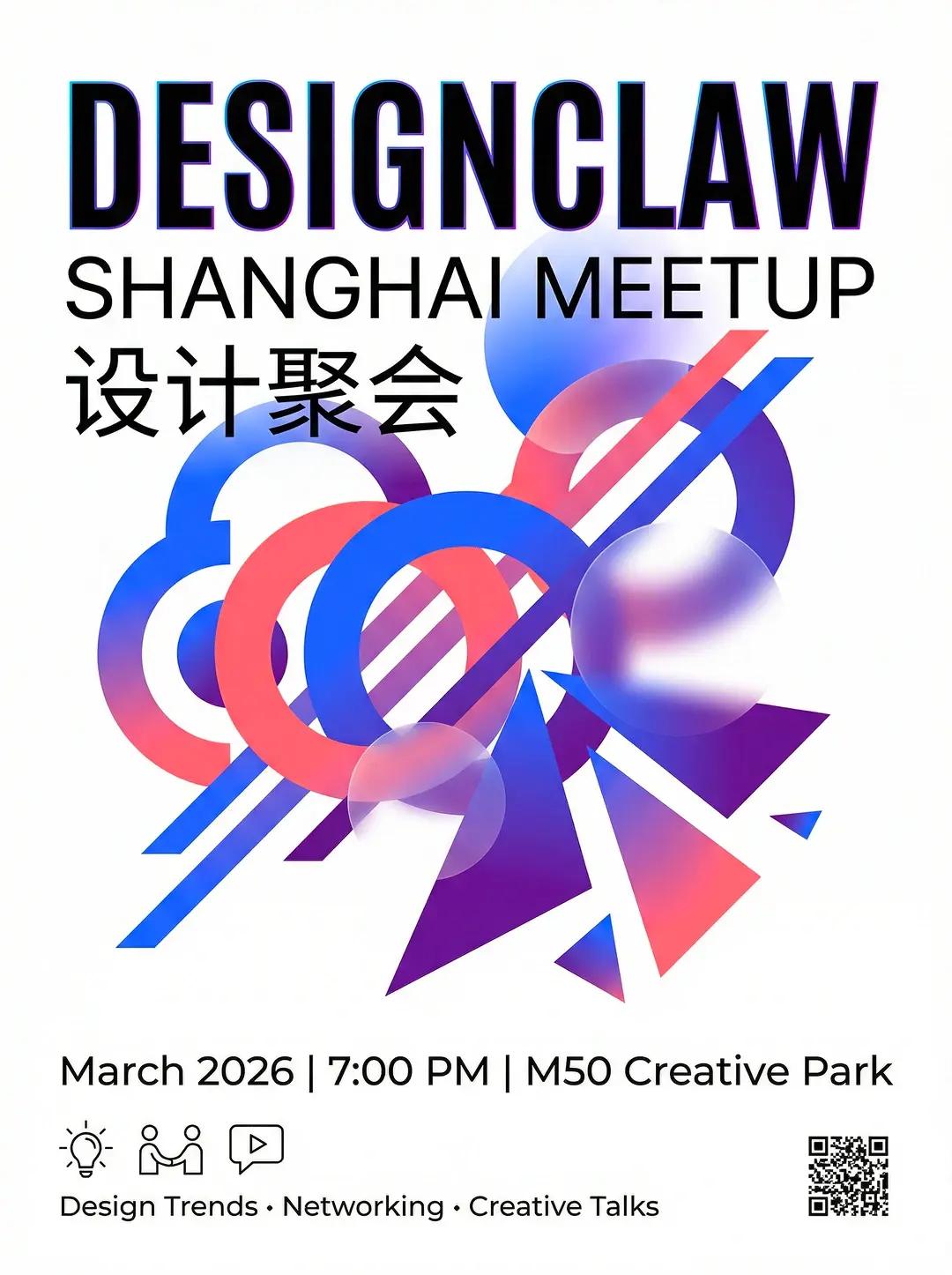
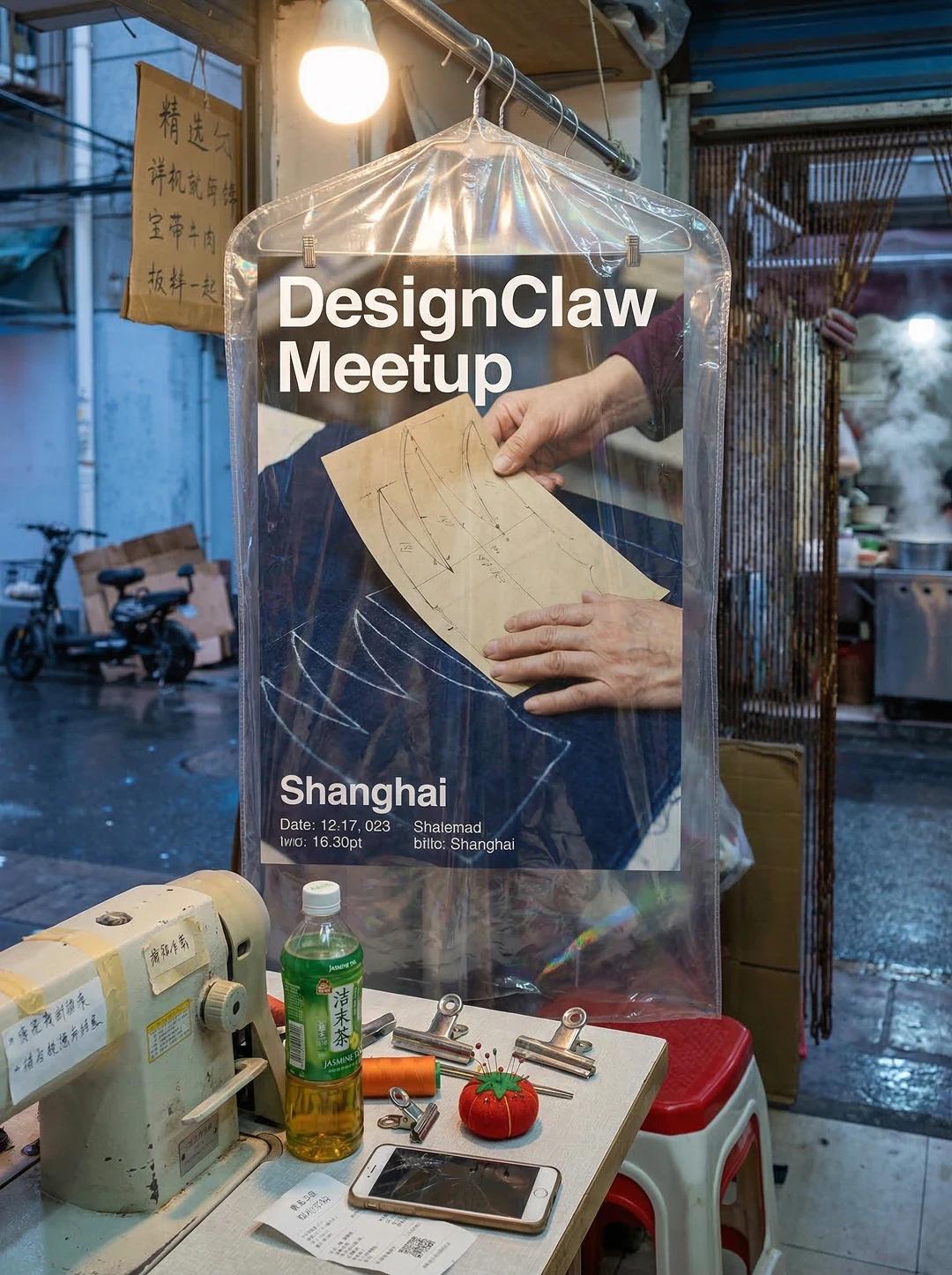
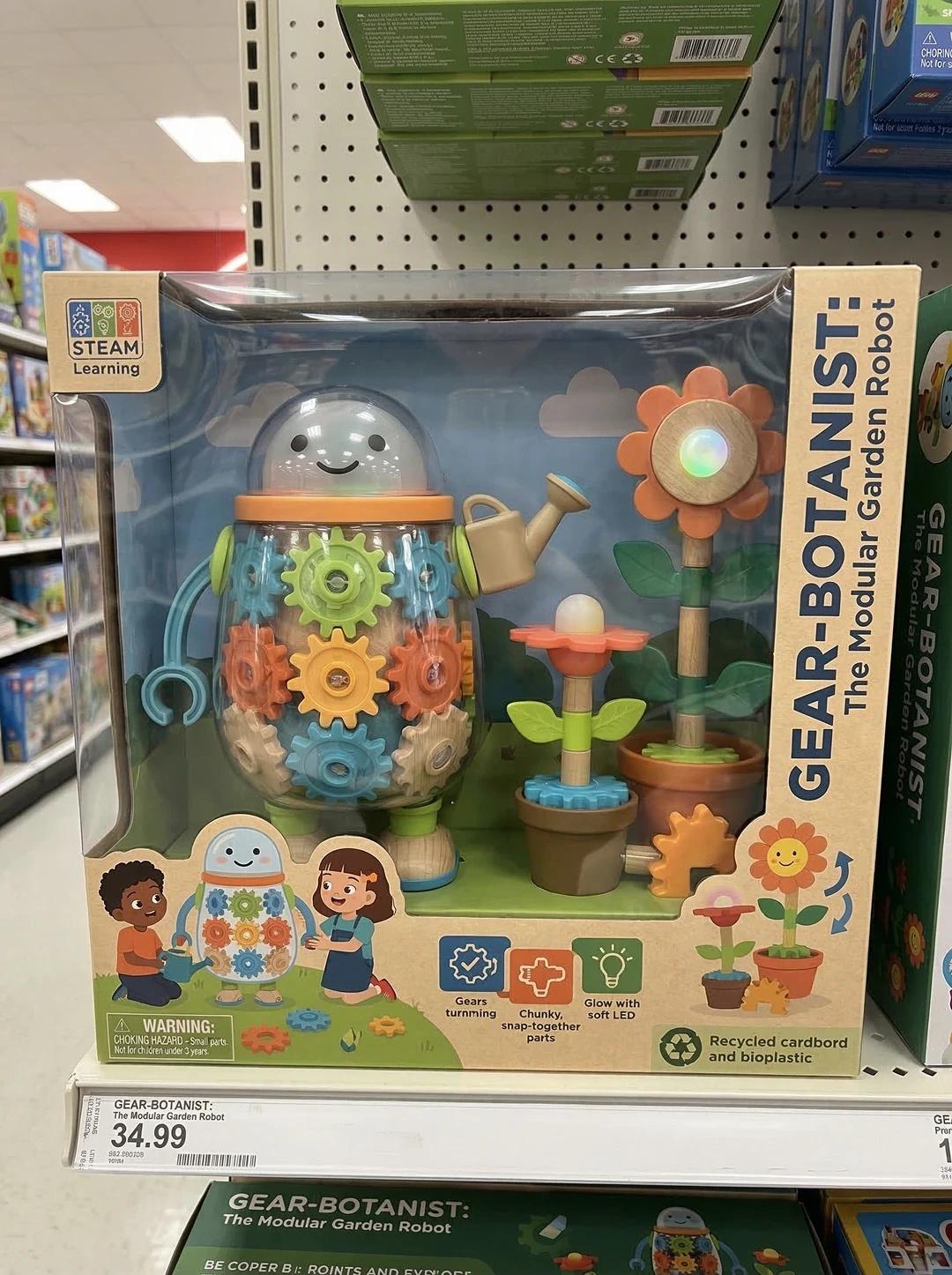
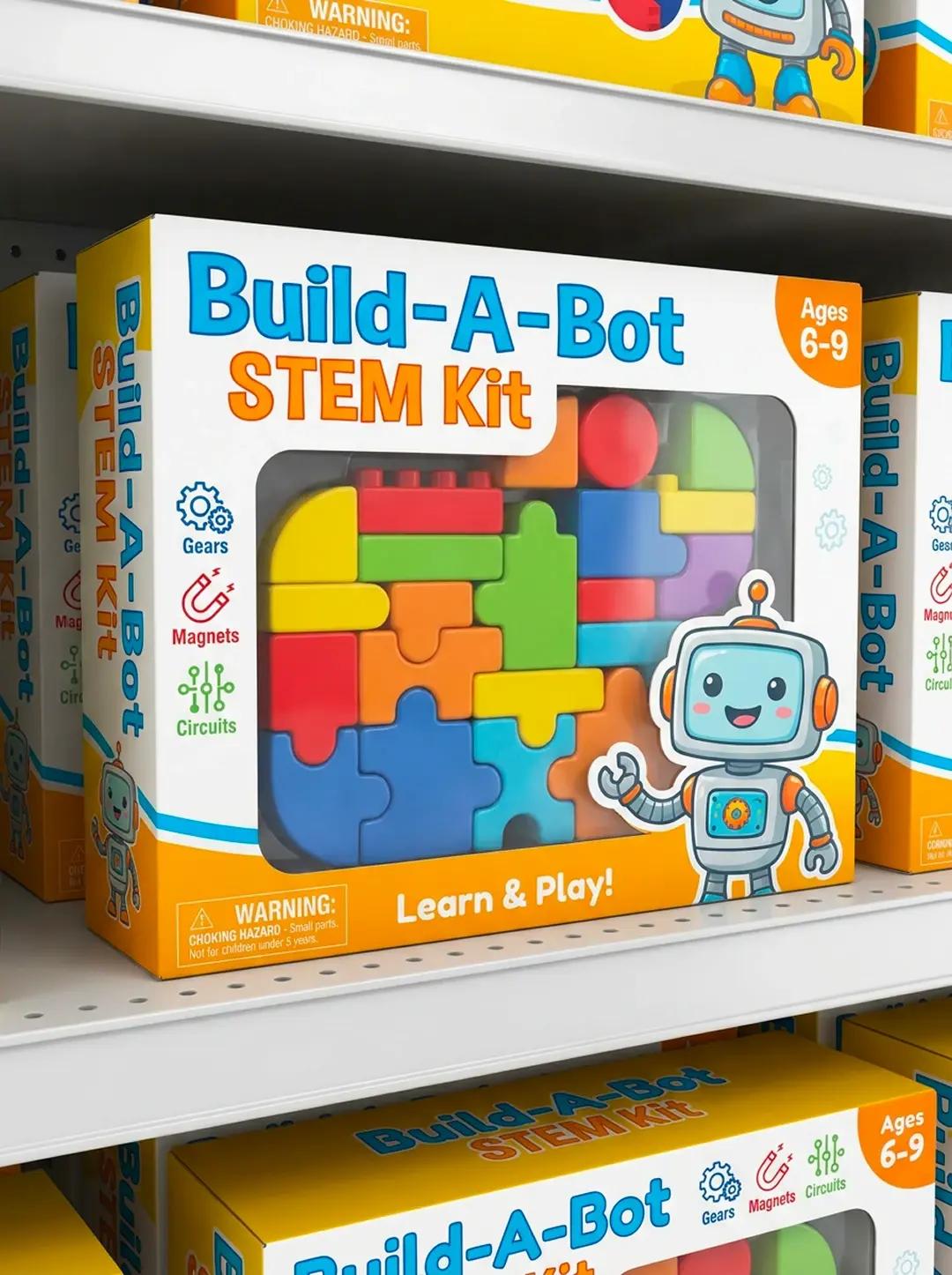
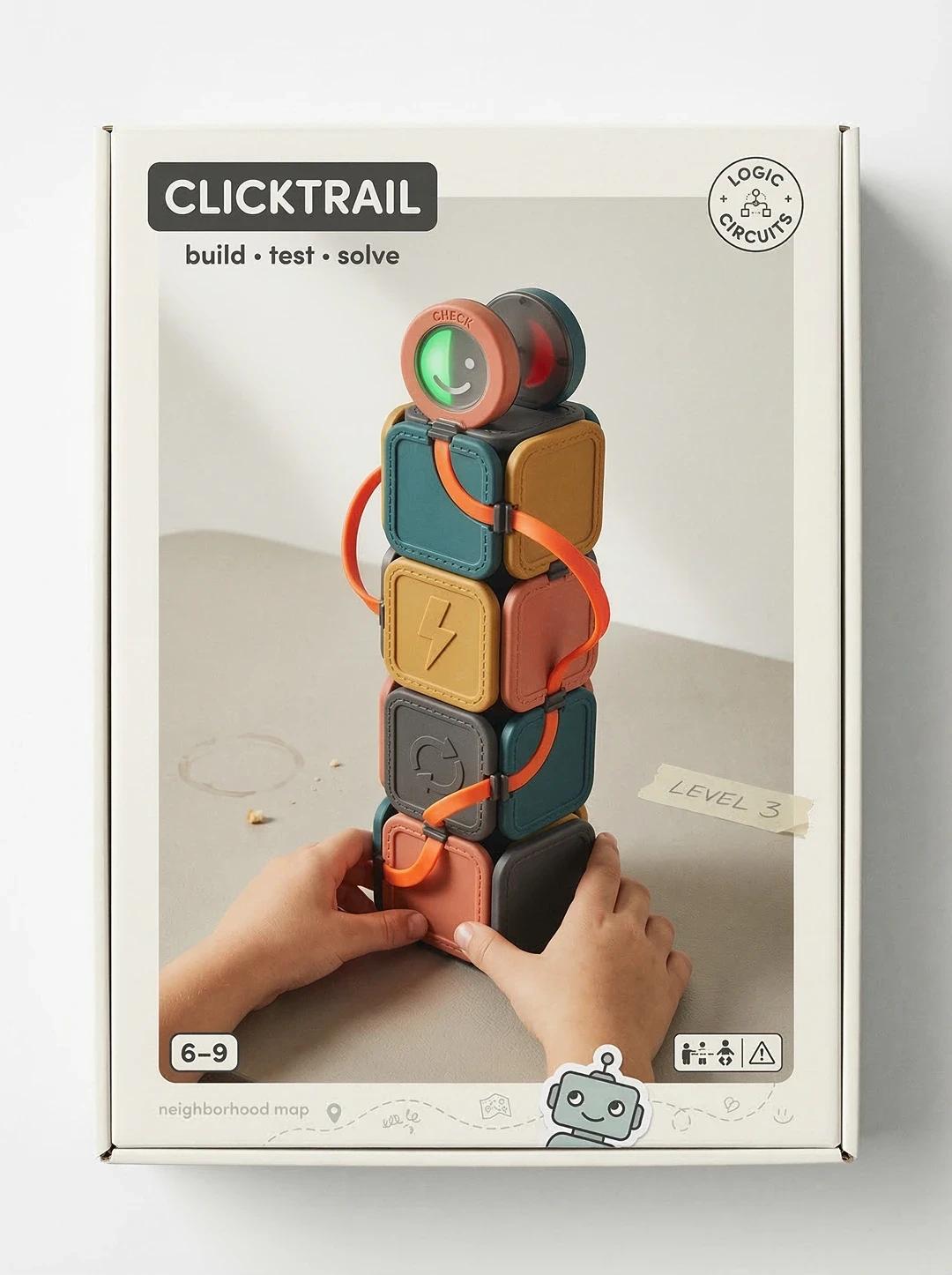
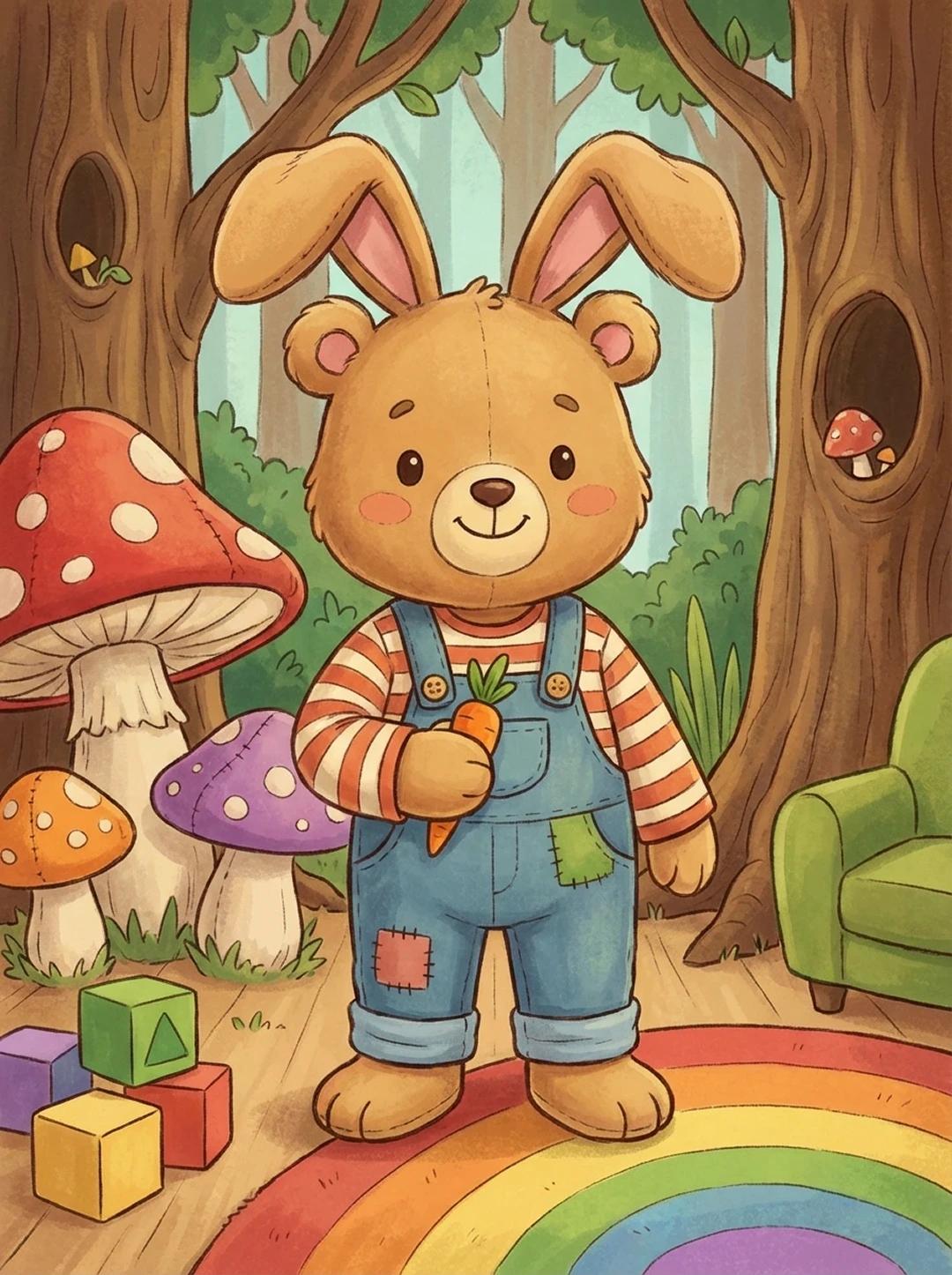
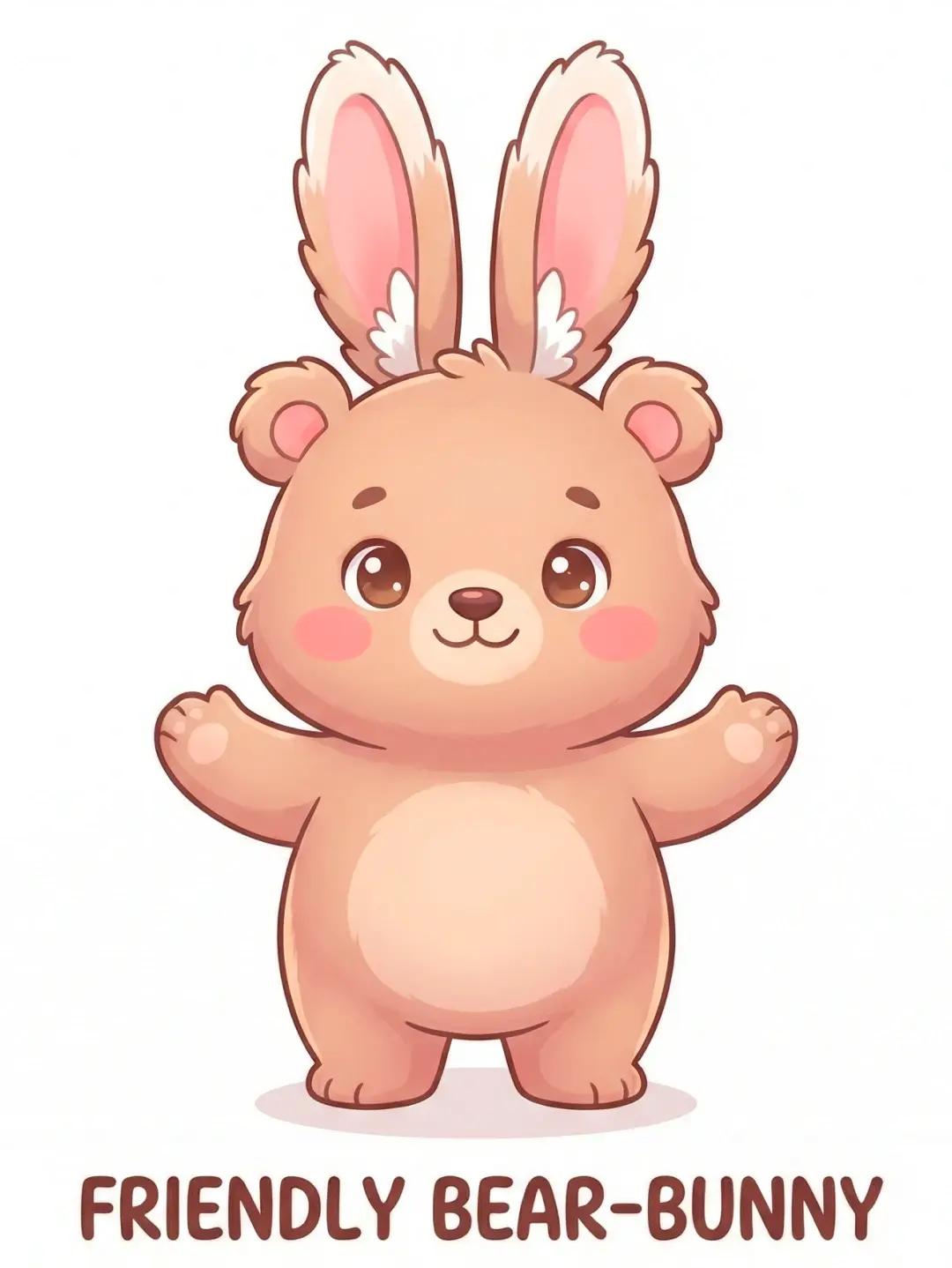
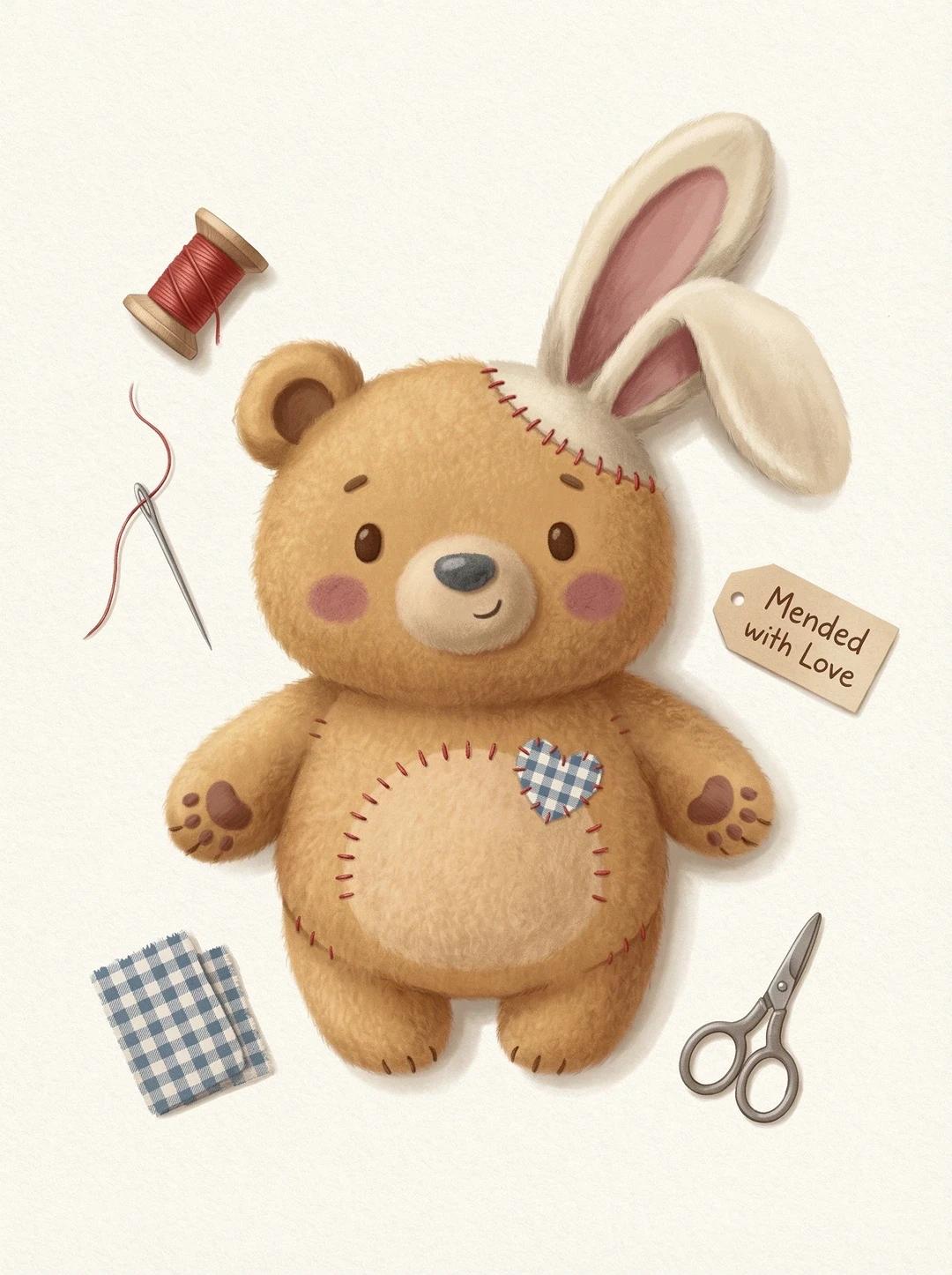
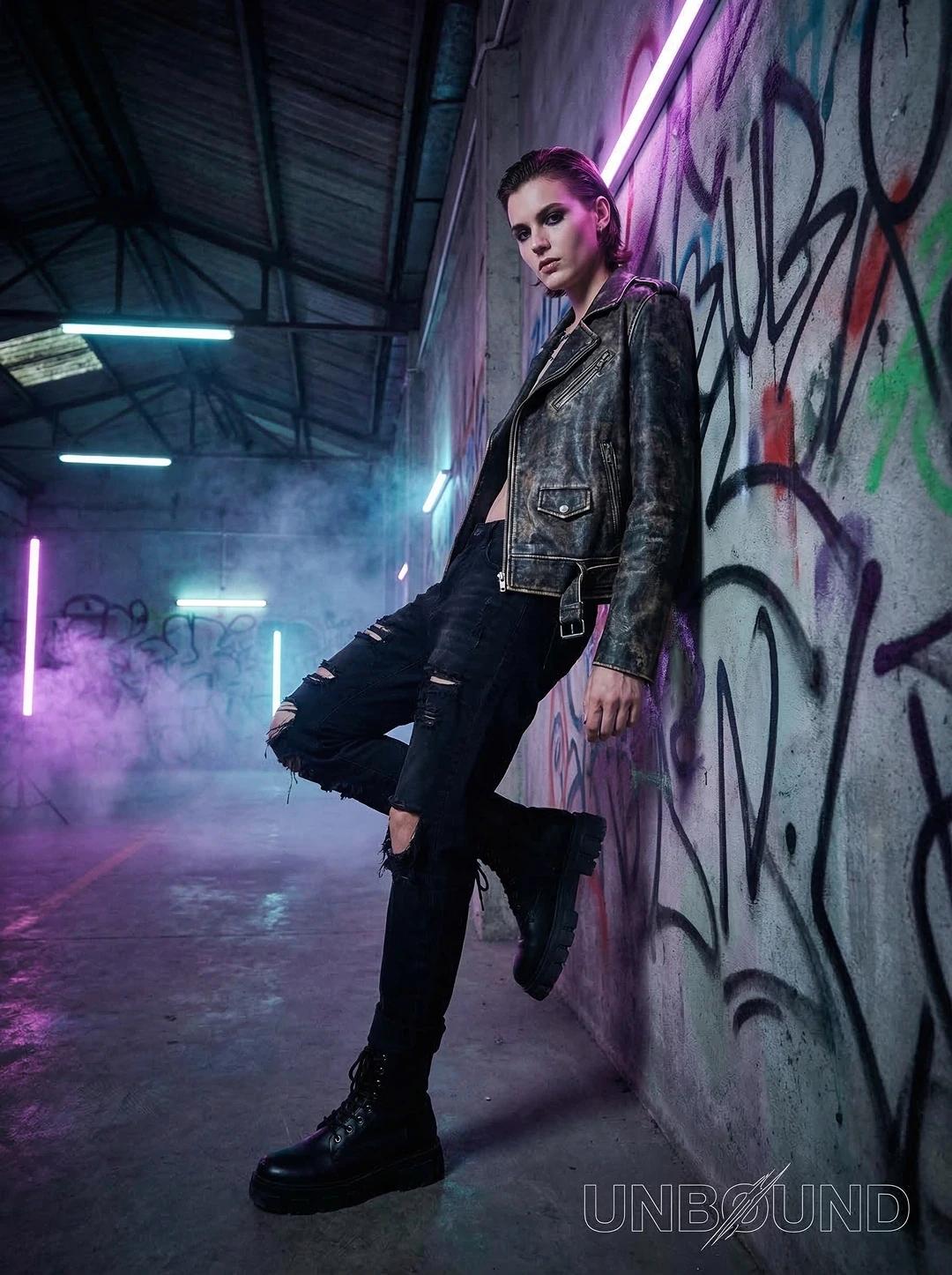
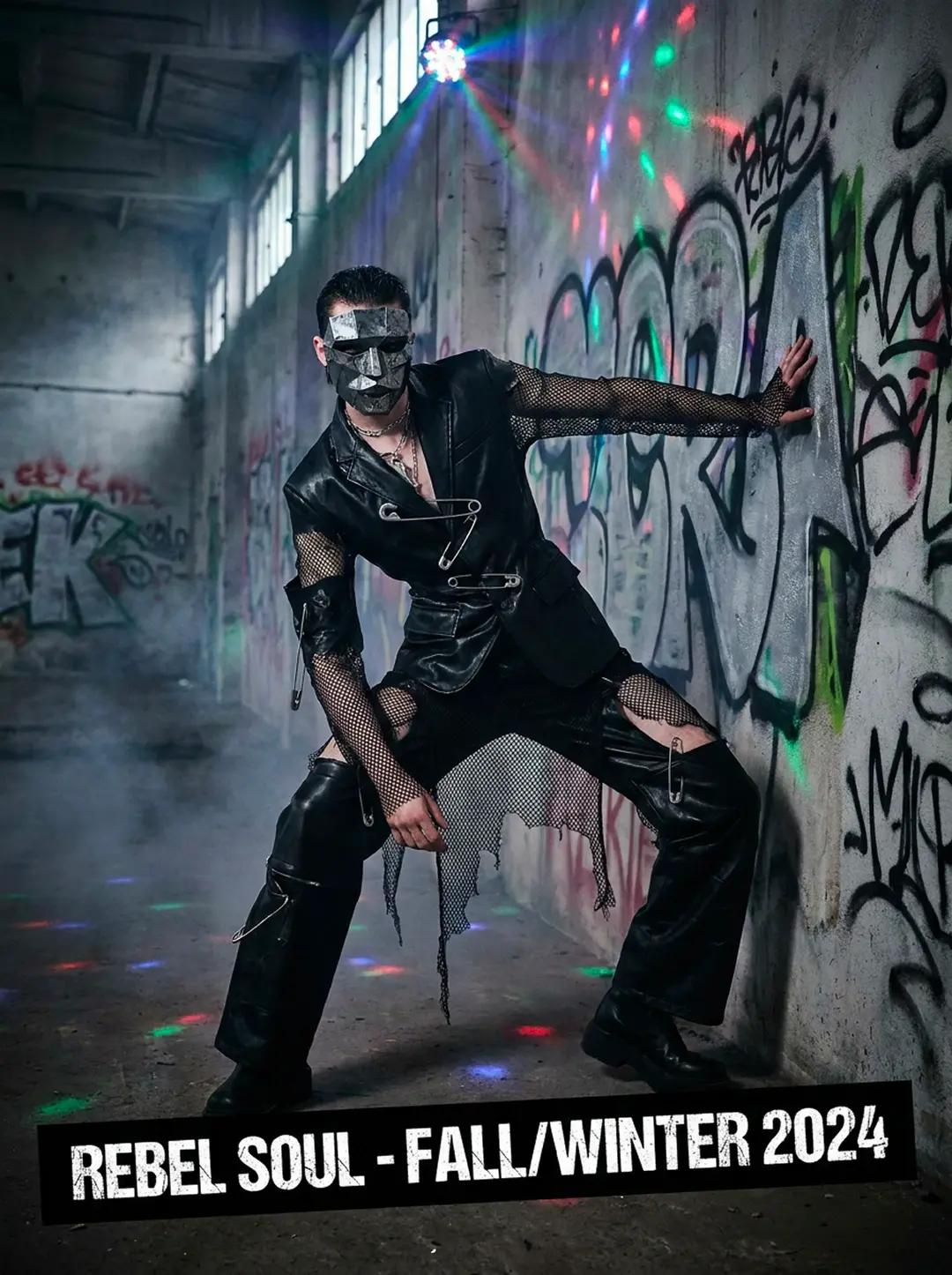
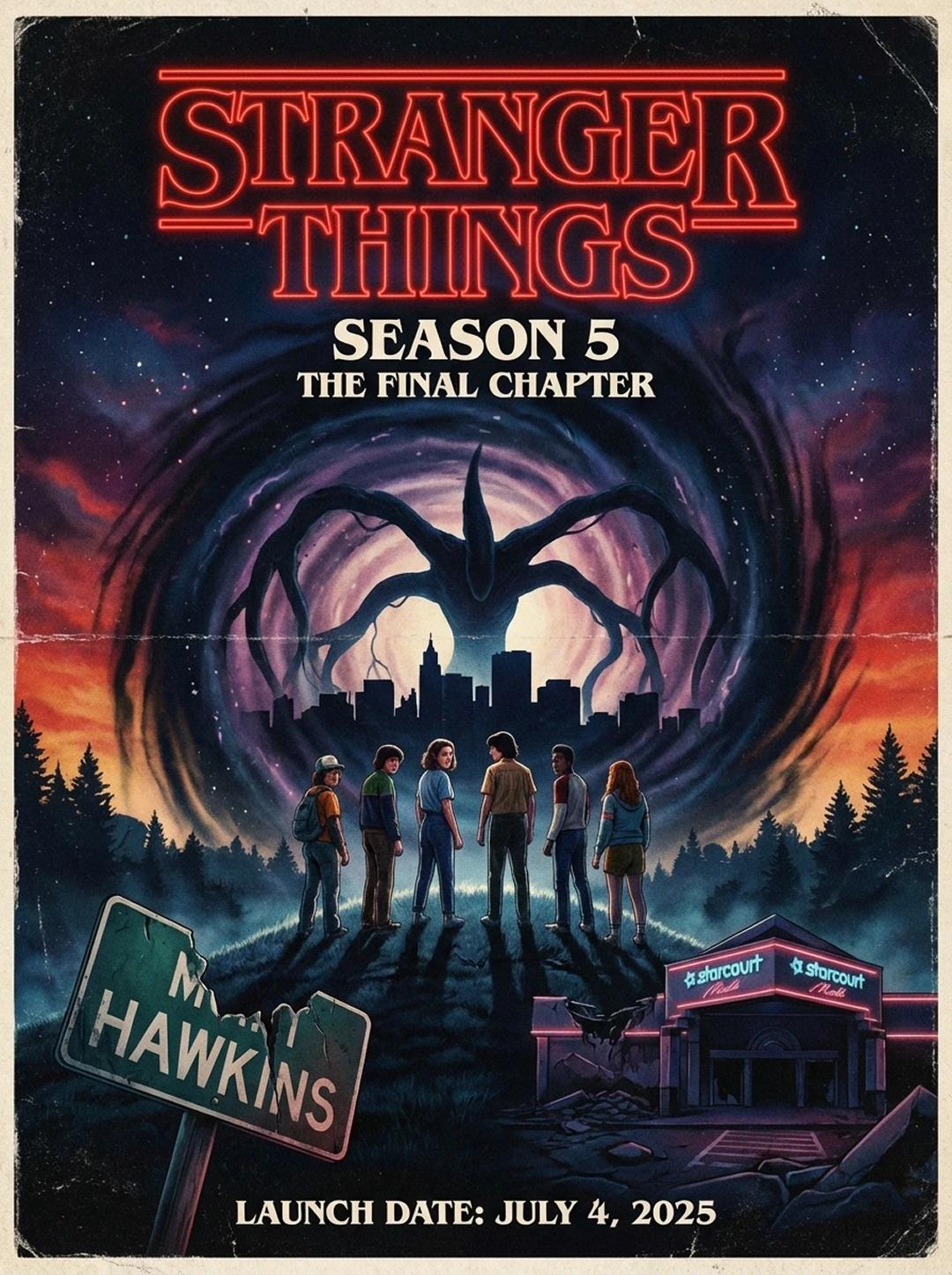
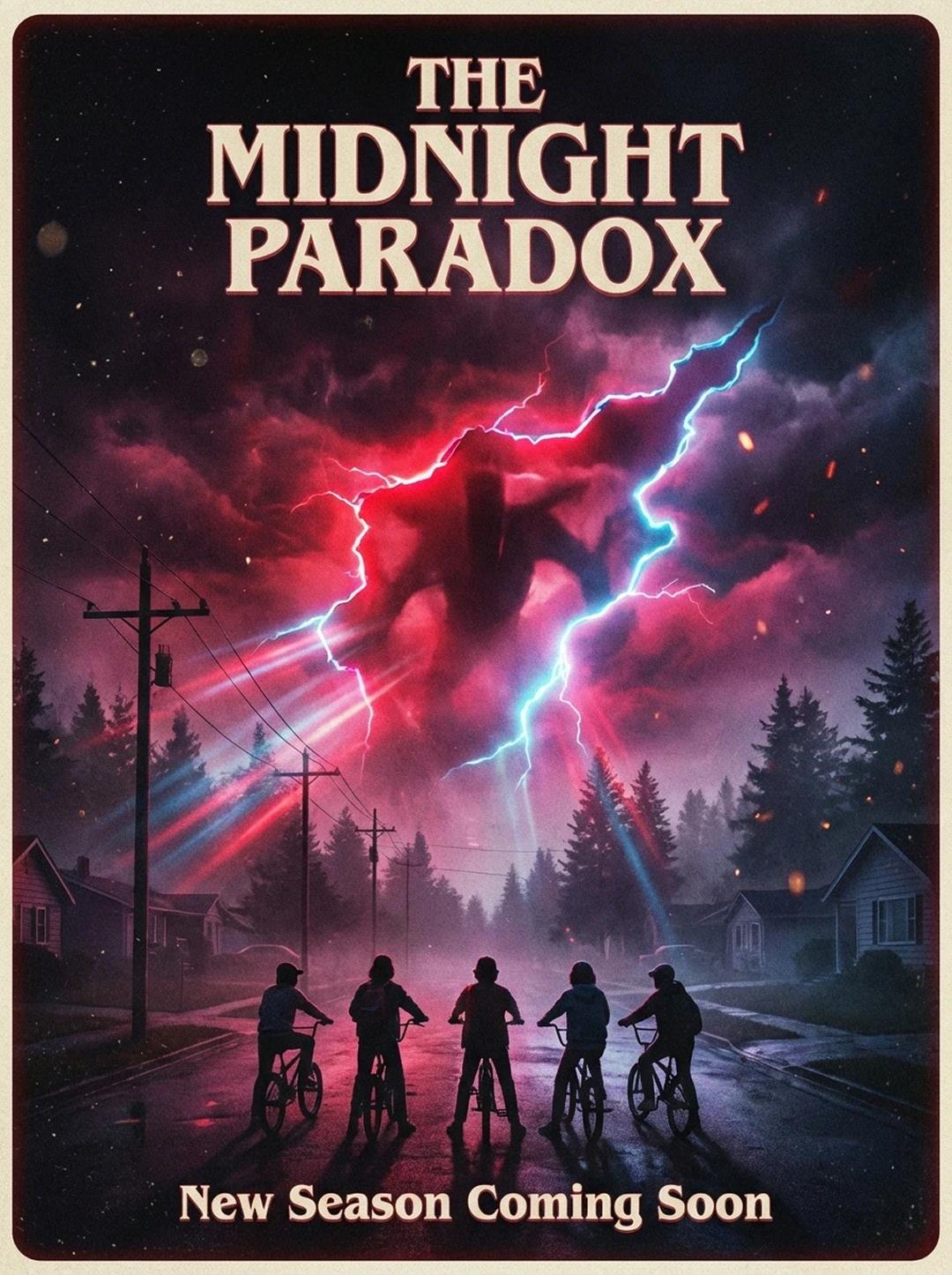
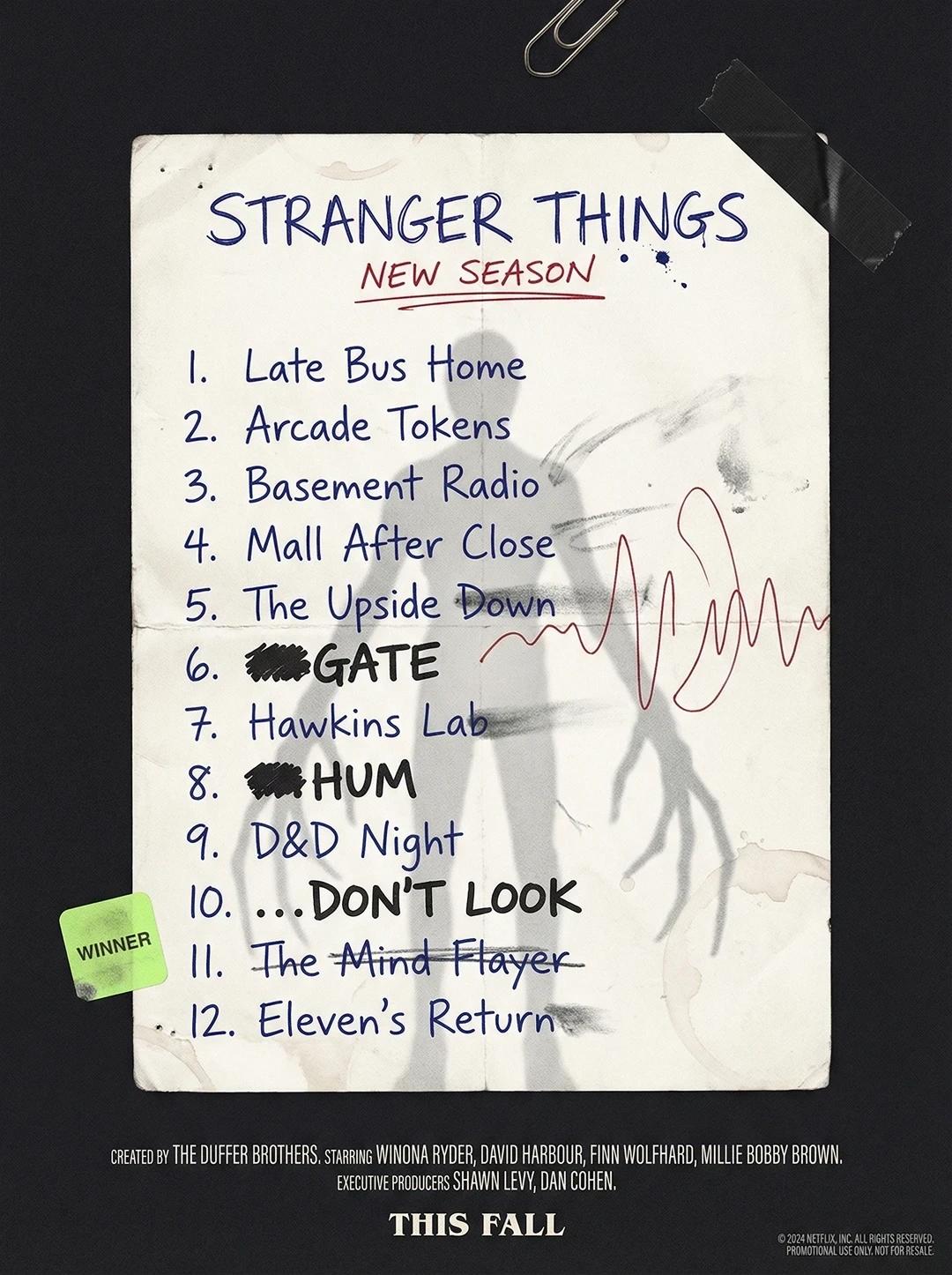
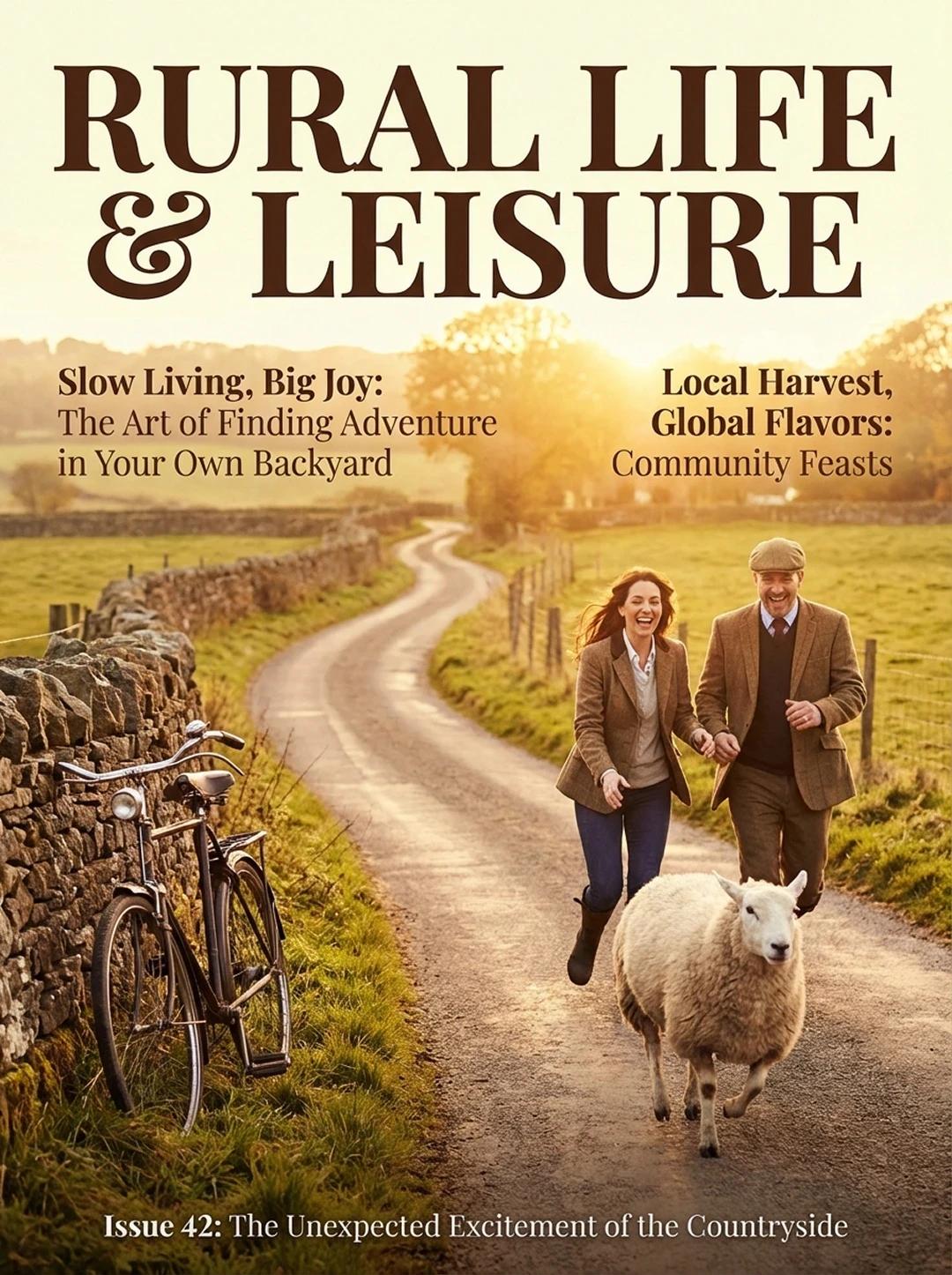
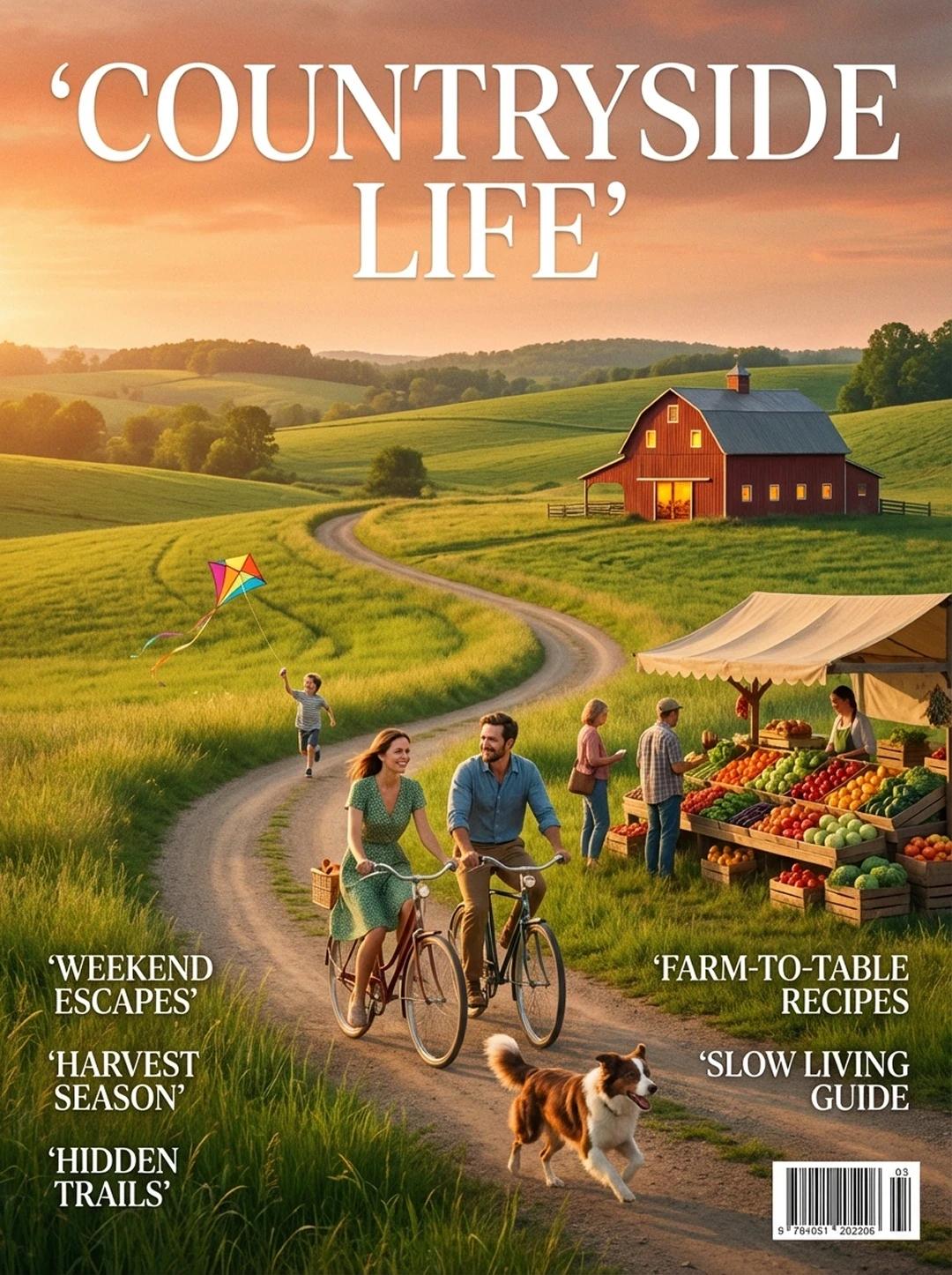
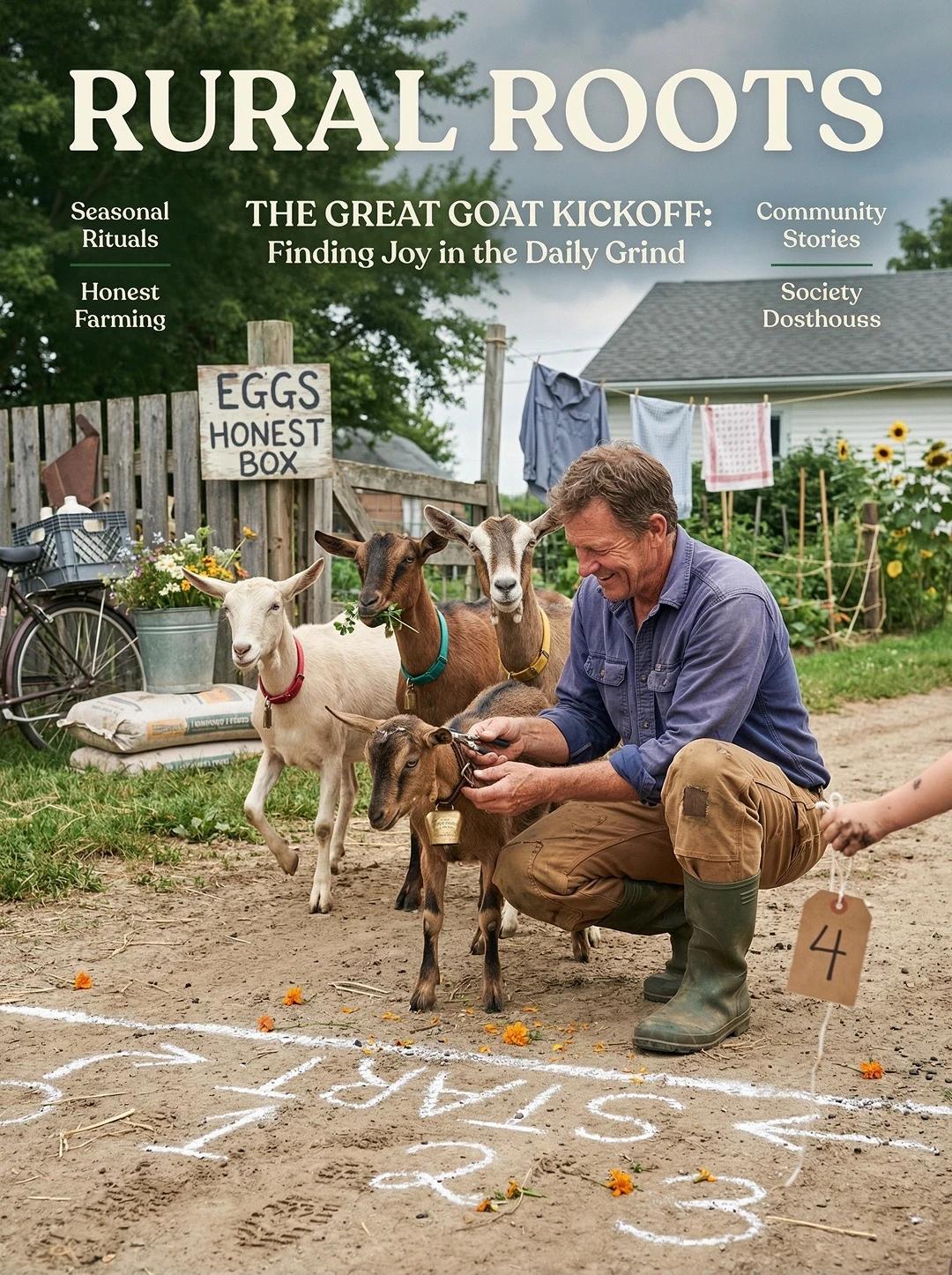
Same brief, three different approaches: the brief sent as-is, an LLM-polished prompt (or Lovart Agent's reasoned design where shown), and The Taste Machine.
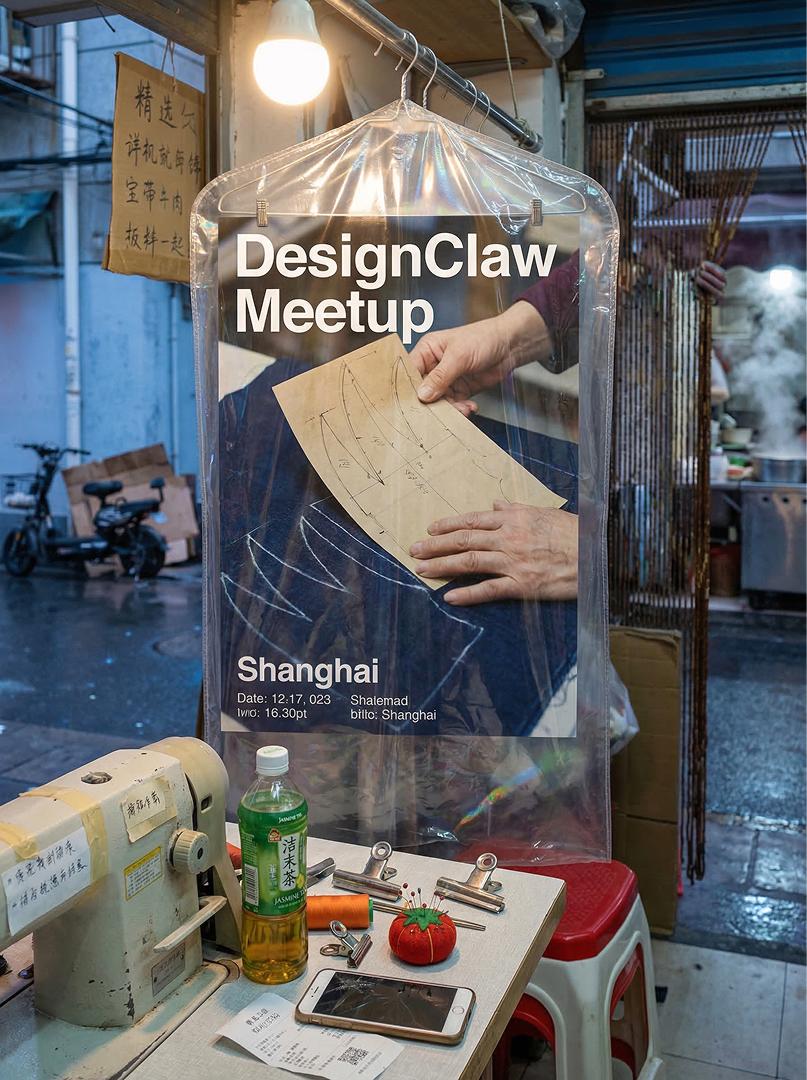
A poster for designclaw's next meetup in Shanghai
Design a toy concept for children aged 6–9 that feels educational, playful, and safe while standing out on retail shelves.
Let's design an animal character in bear shape with a rabbit ear for children
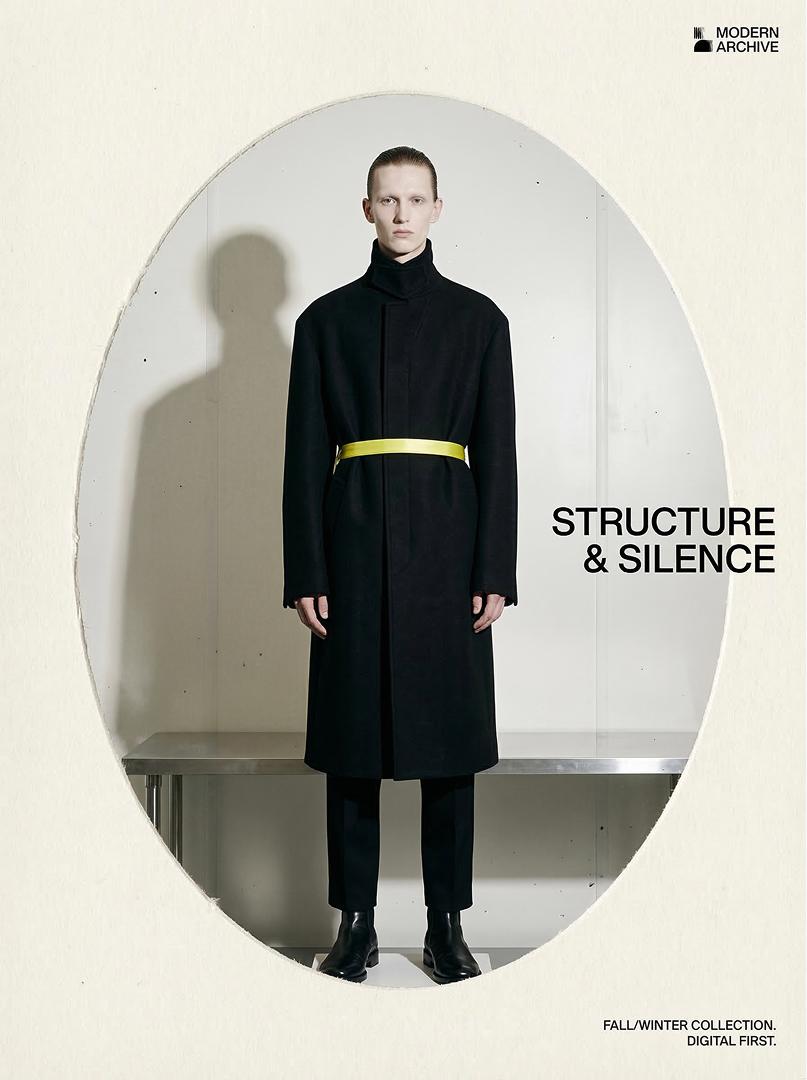
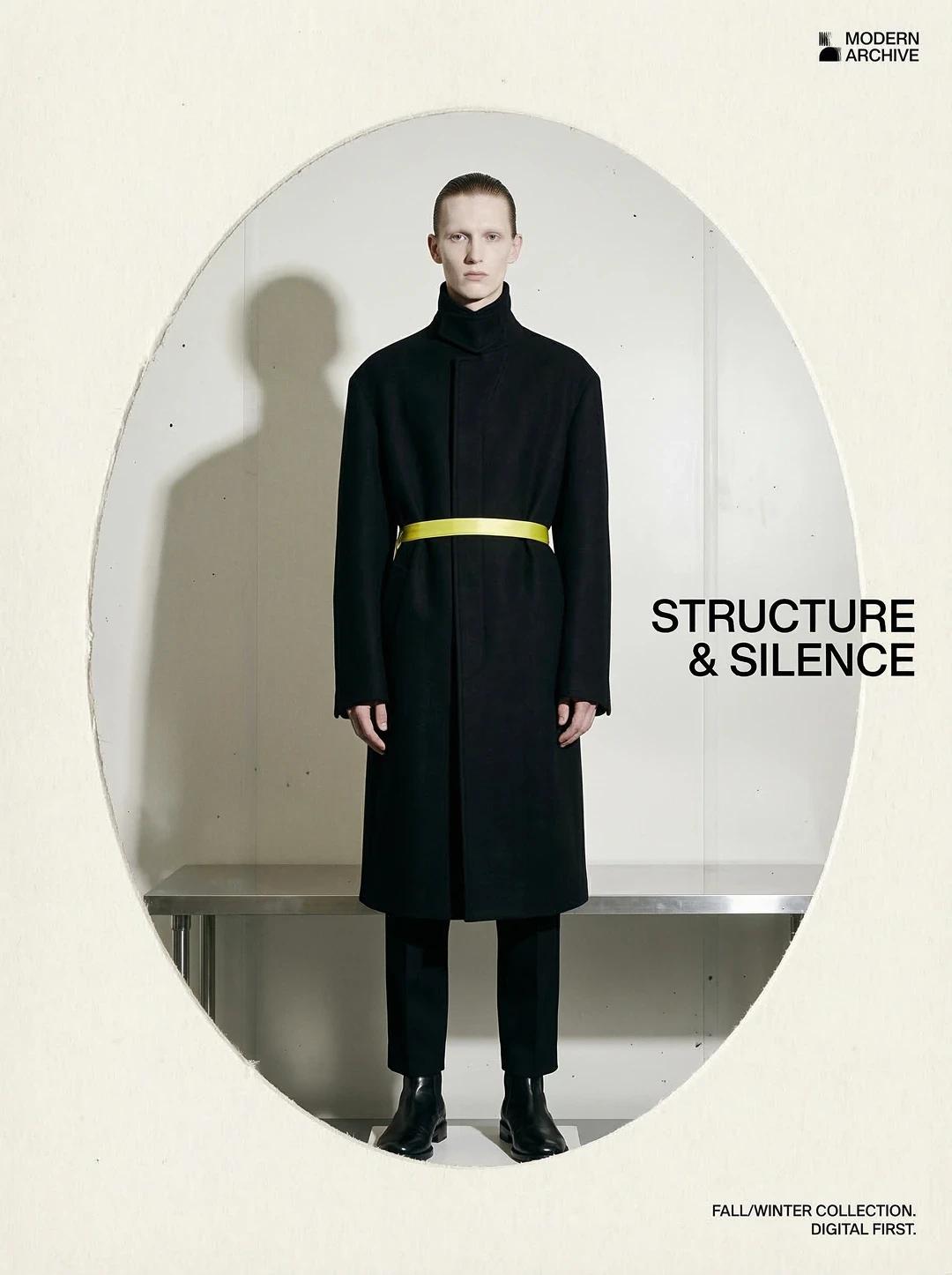
Design a fashion campaign image in an edgy editorial style
A poster for the TV series Stranger Things' new season launch
A magazine cover of countryside life, slow pace but full of excitement
By the “numbers”
An informal scoring across 4 dimensions, comparing 5 models/methods on relevant tasks.
Not a benchmark — these are my own evaluations from conversations with ~20 experienced designer friends over 30–40 sample tasks. Treat it as a directional read on where The Taste Machine sits on average, not a precise measurement.
General aesthetics
Instruction following
Creative exploration
Realism on photos
Reading this chart
Reach for it when
- You're exploring options creatively and want above-average aesthetics
- You're generating photo-based work that needs realism with creative direction
- The output should carry some depth — considered visual choices or quiet storytelling
- You have a vague direction and are happy to let the model take it somewhere that surprises you
Skip it when
- You just need something that looks fine — GPT Image 2 gets there with less effort
- You're editing an image — Nano Banana Pro with direct instructions is still the best option
- You want iterative design development without knowing exactly what you want at the start — try Lovart Agent (though The Taste Machine should match it once the self-improving feedback skill system ships)
One endpoint. Brief in, image out.
No prompt engineering required. The taste system handles the complexity.
curl -X POST https://api.thetastemachine.com/v1/generate \
  -H "Authorization: Bearer YOUR_API_KEY" \
  -H "Content-Type: application/json" \
  -d '{
    "brief": "A minimal poster for a Tokyo
      coffee shop, warm tones, editorial feel",
    "model": "nano-banana-pro",
    "taste": "default",
    "aspect_ratio": "3:4"
}'{
"task_id": "aBcDeFgHiJkLmNoP",
"status": "complete",
"result": {
"image_url": "https://cdn.thetastemachine.com/
gen/abc123.png",
"prompt_used": "A softly lit interior of a
minimalist Tokyo kissaten...",
"expires_at": "2026-04-14T00:00:00Z"
},
"credits_consumed": 10
}How do I use it
On the website
Use the workspace directly — type a brief, pick your taste profile, generate.
Open WorkspaceThrough an AI agent
Give the API docs to your AI agent — Claude, GPT, or any framework — and let it generate on your behalf.
API ReferenceThe Progress
Image input with taste-aware processing
Go beyond text-only prompts. Supply reference images alongside your brief and the taste engine analyses them as part of the generation — extracting composition, palette, and stylistic cues to produce results that stay true to your visual intent.
API with taste profiles
The API is live with the basic ability to generate images guided by taste. Choose from existing taste profiles based on your task.
Train your own taste profile
Upload references, curate examples, and the system learns your unique aesthetic preferences.
Self-improving skill system
The engine learns from errors and feedback, becoming more customised to your taste the more you use it.
Text and video generation
Same taste intelligence, different output formats. Generate copy and video with the same learned aesthetic.
Honest Notes
Where the project stands today — what works, what doesn't, and what's coming.
Two taste profiles to start with
Two profiles ship in the current version. The default one is generic but tuned toward poster and graphic design. The second is trained on realistic photography and aims for a more photographic look in its outputs.
Custom taste profiles are the next step
The point of The Taste Machine isn't just to improve taste — it's to control the output through the input, the taste profile. The natural next step is letting users upload their own references and train custom profiles. I'm not there yet.
Iteration sharpens results
In my own testing, iterating on a generation reliably returns better and more aligned results. The product doesn't surface that loop yet — it's on the way in a future update.
How The Taste Machine compares to GPT Image 2
GPT Image 2's raw output has significantly better taste than raw Nano Banana Pro, and it almost closes the gap that The Taste Machine opens up over the raw Nano Banana Pro model. On most tasks, GPT Image 2 and The Taste Machine sit in roughly the same range.
The theoretical advantage of this design — pending more extensive testing — is that taste here is customisable. GPT Image 2 has a fairly specific aesthetic incline across many types of content. The Taste Machine doesn't have to.
Why The Taste Machine is tuned to Nano Banana Pro
I've also tried running The Taste Machine with GPT Image 2 as the underlying generator, and the current design is very much tuned for Nano Banana Pro. GPT Image 2 shines when you hand it a vague brief and let it improvise and surprise you. The Taste Machine does the opposite — it produces a highly detailed prompt to instruct the image model. That kind of instruction works well with Nano Banana Pro, but not so much with GPT Image 2.
Image reference is a reference, not an edit
The image reference mode in The Taste Machine works differently from using Nano Banana Pro's raw model. Treat the input as a reference rather than an image to edit — for some cases that behaviour is exactly what you want.
Where the current profiles fall short
The two profiles available today don't perform equally well across every task. Logo design often returns weak results from either profile. Product design also struggles with the generic profile — internally I've trained narrower product-design profiles that performed noticeably better, but those are highly targeted to specific design tasks and aren't part of this release.
The bet, and where it might break
The idea behind The Taste Machine is to build an external system that evolves alongside image-generation models, because I don't think controllable taste is something you get for free from a more intelligent foundational model. Could that turn out to be a bitter lesson once the foundational models advance further? I genuinely don't fully know. By design it shouldn't, but different models behave very differently — the fact that GPT Image 2 doesn't naturally fit the current design is one signal, and the next major upgrade to Nano Banana could produce equally surprising shifts.
There's also the coverage question: I haven't tested enough taste profiles to know whether this approach holds up across every kind of task, and some of that may be bottlenecked by the foundational model itself. Despite those concerns, I've decided to release it and let it be tested in the open. Let's see what happens.
Community
Join the conversation
Share your results, get feedback, and help shape The Taste Machine. The Discord is where I hang out with users and listen to feedback.
Join the DiscordStop engineering prompts. Start describing what you want.
The Taste Machine handles the gap between your intent and a good image.